
Things Your Tattoo Artist Probably Won’t Tell You (but should)
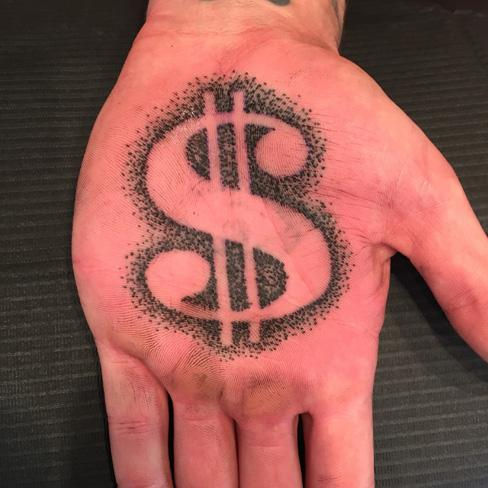
Tattoo artists see everything: nerves, excitement, bad ideas, great ideas, questionable spelling, and people who swear they “sit like a rock” before flinching like a haunted squirrel.
Most artists are professional enough not to say every thought out loud. But here are a few things they may be thinking.
Your budget matters, but so does the work
It is fine to have a budget. Most people do. But asking for a full sleeve, fine detail, full color, custom design, and “can we keep it around $80?” is not a budget. That is a fantasy novel.
Good tattoos cost money because they take time, skill, supplies, sanitation, design work, experience, and the artist’s body physically sitting there doing the work.
A cheap tattoo can become very expensive later when you are paying someone else to cover it.
Tiny tattoos are not always “easy”
Small does not automatically mean simple. Tiny lettering, micro details, small finger tattoos, and delicate designs can be technically demanding. Skin is not paper. Ink spreads slightly over time. Lines age. Details blur.
A good artist may suggest making something bigger, cleaner, or simpler because they want it to look good years from now, not just on Instagram today.
Pinterest is inspiration, not a menu
Bringing references is helpful. Walking in and saying, “I want this exact tattoo from Pinterest,” is less helpful.
Artists should not copy another artist’s custom work line-for-line. They can use your references to understand the style, mood, placement, and subject matter, then create something original for you.
You want your tattoo, not someone else’s tattoo with a new zip code.
Your skin, placement, and lifestyle matter
Some areas fade faster. Some placements hurt more. Some designs will not age well in certain spots. Hands, fingers, feet, ribs, elbows, knees, and necks all come with their own little personality problems.
An artist is not being difficult if they suggest a different placement. They are trying to save you from future regret and possibly from turning a beautiful design into a blurry little gremlin.
Please eat before your appointment
Showing up hungry, dehydrated, hungover, or running on nothing but iced coffee and emotional damage is a terrible plan.
Tattoo sessions can be stressful on the body. Eat a decent meal, drink water, and bring a snack for longer appointments. Nobody wants your big tattoo memory to include almost passing out under a ring light.
Your artist can tell when you didn’t follow aftercare
They know.
You can say, “I don’t know why it healed weird,” but if it looks picked, sunburned, over-moisturized, dried out, scratched, or soaked, your artist has probably seen that movie before.
Aftercare is not decoration. It is part of the tattoo process.
Last-minute major changes are not cute
Changing a flower to a dragon, switching arms, adding three names, or deciding you now want a full background right before the appointment is not a “quick tweak.”
Artists often prepare designs ahead of time. Major changes may require rescheduling, redrawing, or repricing. That is not attitude. That is business.
Good artists would rather say no than give you a bad tattoo
A professional artist may turn down certain designs, placements, or requests. That is not rejection. That is standards.
They may say no because:
The design will not age well
The placement is not realistic
The subject matter is offensive
The idea is too close to another artist’s work
The client seems unsure
The client is under pressure from someone else
A “no” from a good artist can be a blessing in black gloves.
Bottom line
Your tattoo artist is not just there to put ink in skin. They are there to help turn an idea into something that works on a living, moving, aging body.
Respect the process. Communicate clearly. Be clean, fed, sober, realistic, and open to guidance.
Basically, don’t be weird.
Actually, be a little weird. It’s tattooing. Just be respectfully weird.
Comments